Last Update:
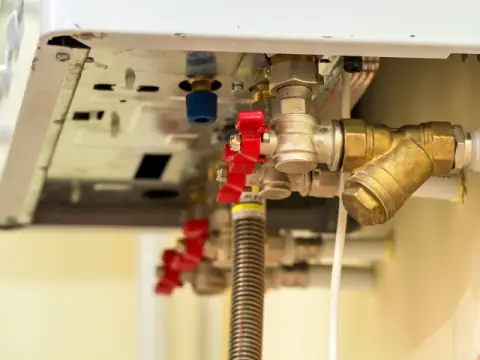
Learn the common warning signs of a gas leak, from unusual smells to rising gas bills. Discover what to look out for, how to stay safe and when to call a licensed gas fitter.
A strange smell near your stove? A hissing noise coming from your gas pipes? Or perhaps your gas bills have suddenly increased without explanation? These could be warning signs of a gas leak, and they're not something you want to ignore.
Gas leaks can occur in homes with natural gas appliances, including cooktops, heaters and hot water systems. While some leaks are easy to recognise, others can go unnoticed until they become dangerous.
So, how do you know if you have a gas leak? The most common signs include a rotten egg smell, hissing sounds, unexplained increases in gas usage and unusual appliance behaviour. However, not every leak produces noticeable warning signs.
Below, Wilco Plumbing explains seven warning signs to watch for, the potential dangers of gas leaks and when to seek professional help.
Important: If you suspect an active gas leak, leave the affected area immediately. Avoid electrical switches, phones inside the affected area and anything that could create a spark. Contact your gas distributor's emergency service from a safe location, or call 000 if there is immediate danger.
What Are the 7 Warning Signs of a Gas Leak in Your Home?

Gas leaks don't always start with an obvious smell or a major appliance failure. Sometimes, the first indication is a small change in how your gas systems operate.
Here are seven signs that may indicate a problem.
1. A Rotten Egg Smell That Won't Go Away
One of the most recognisable signs of a natural gas leak is a smell similar to rotten eggs or sulphur.
Natural gas is naturally odourless, so gas suppliers add a distinctive odourant to help people recognise potential leaks.
You might notice this strange smell around your gas cooktop, hot water system, gas meter or other gas appliances.
Even if the smell seems faint or disappears, don't assume the problem has resolved itself. Treat any suspected gas smell as a potential emergency and follow the safety instructions above.
2. Hissing or Whistling Sounds Near Gas Lines
Have you noticed unusual sounds near gas lines, appliance connections or your gas meter?
A hissing or whistling noise can sometimes indicate gas escaping through a damaged pipe, loose fitting or faulty connection.
While not every unusual noise means there's a leak, unexplained sounds around gas equipment should never be investigated by placing your ear close to a suspected leak.
If you suspect escaping gas, leave the area and contact the appropriate emergency service.
3. Gas Bills That Suddenly Increase Without Explanation
If your gas bills are climbing but your household habits haven't changed, it may be worth investigating.
An unexpected increase in gas usage can sometimes indicate a problem with your gas supply or appliances.
However, higher bills can also result from seasonal heating, tariff changes, estimated meter readings or an ageing appliance becoming less efficient.
An increase in your bill alone doesn't confirm a gas leak. If you also notice a gas smell or other warning signs, treat the situation as a suspected leak rather than waiting for another bill.
4. Gas Appliances That Aren't Working Properly
Your gas appliances can sometimes provide clues that something isn't right.
For example, you might notice:
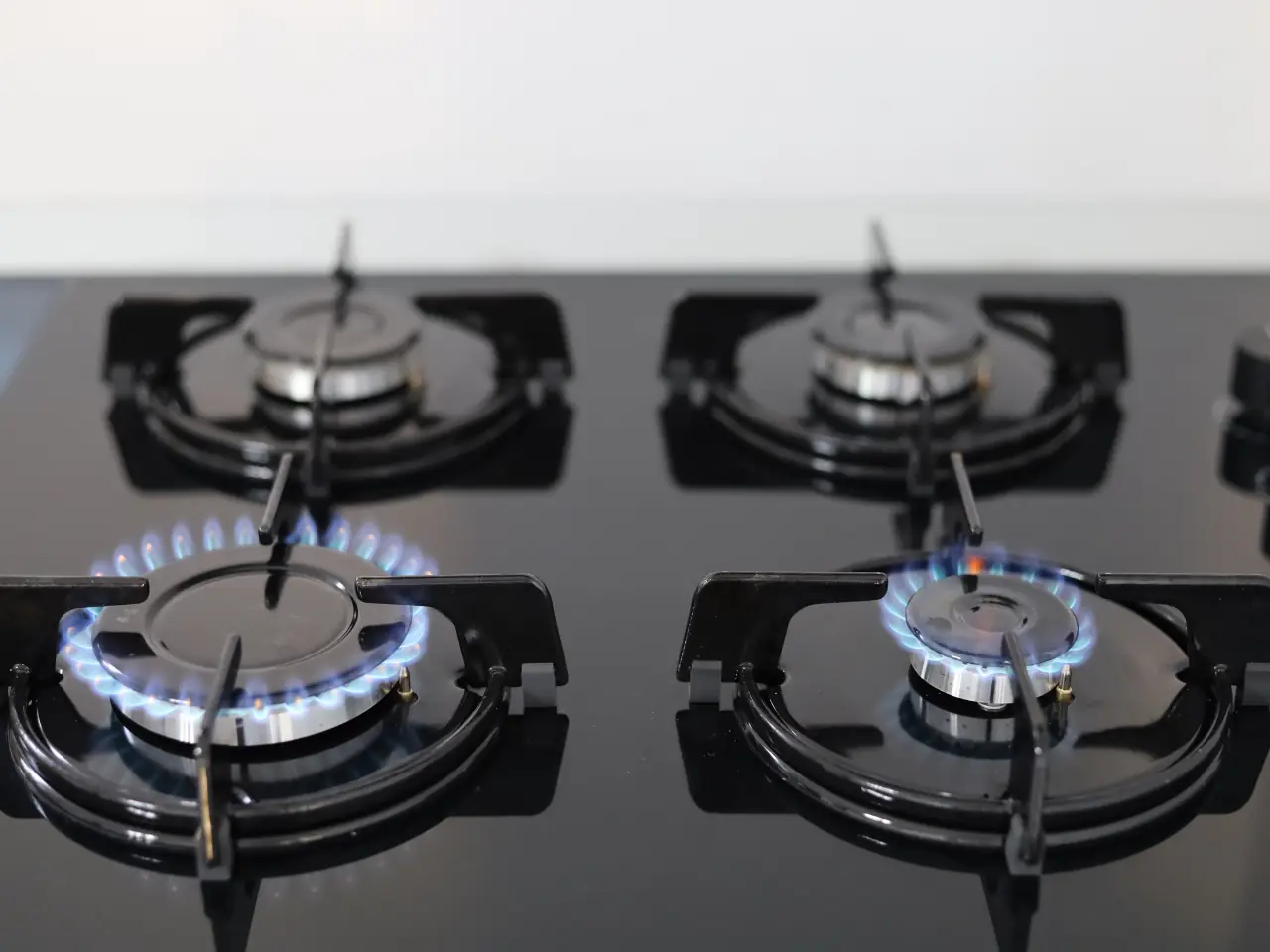
- A gas cooktop with unusual or inconsistent flames
- A gas heater that repeatedly shuts down
- A hot water system that struggles to operate reliably
- Burners that won't ignite or stay lit
- Unusual soot or discolouration around an appliance
These symptoms can result from appliance faults, maintenance issues or problems with the gas supply. They don't necessarily indicate a gas leak.
Faulty gas appliances can also create combustion hazards, making professional assessment important.
5. Physical Symptoms That Could Indicate Gas Exposure
Some people experience physical symptoms when exposed to certain gas-related hazards, although symptoms alone cannot confirm a natural gas leak.
In an oxygen-depleted environment, high concentrations of natural gas can cause dizziness, headaches or nausea.
There is also an important distinction between a natural gas leak and carbon monoxide poisoning.
Carbon monoxide is a separate, odourless toxic gas that can be produced when fuel-burning appliances malfunction or burn fuel incompletely. Carbon monoxide exposure can cause headaches, dizziness, weakness, nausea, confusion and potentially life-threatening health problems.
If several people in your home experience unexplained symptoms, particularly around gas heating appliances, move into fresh air immediately and seek urgent medical assistance. Call 000 if anyone is seriously unwell.
6. Dead or Discoloured Plants Near Underground Gas Lines
Sometimes, a potential leak may be noticeable outside your home rather than indoors.
If vegetation suddenly dies or becomes discoloured around an underground gas line, escaping gas may be one possible explanation.
However, plant damage can also result from drought, pests, drainage problems or soil conditions.
Don't dig around underground gas pipes or attempt to investigate the cause yourself. If you suspect a gas leak, keep away from the area and notify your gas distributor.
7. Bubbling Water or Unusual Ground Conditions Near Gas Pipes
Escaping gas from underground pipework can sometimes create bubbles in standing water or unusually disturbed ground.
You might notice persistent bubbling in a puddle or waterlogged area near a gas line.
These signs can have other explanations, but they may warrant urgent investigation when gas infrastructure is nearby.
Keep people away from the affected area and contact your gas distributor if you suspect an underground gas leak.
What Should You Do Immediately If You Suspect a Gas Leak?
Knowing the warning signs is important, but knowing what to do next matters even more.
If you believe gas may be escaping, your priority should be getting everyone to safety, not trying to find the source.
Immediate Actions to Keep Your Home and Family Safe
- Leave the affected area immediately. Move everyone to a safe location away from the suspected leak.
- Avoid open flames and sparks. Don't smoke, light matches or operate electrical switches or appliances.
- Don't use your phone inside the affected area. Make calls once you're safely away.
- Turn off the gas supply only if it's safe. Never re-enter a potentially dangerous area to reach the gas meter.
- Contact the appropriate emergency service. Call your gas distributor's emergency number, or 000 if there is immediate danger.
- Don't return or use gas appliances until advised it's safe. Follow the instructions of emergency responders or the gas distributor.
Once the immediate danger has been addressed, an appropriately licensed gas fitter can assess relevant gas pipework, connections and appliances.
Need Professional Gas Leak Detection? Contact Wilco Plumbing
If your property has experienced a suspected gas leak, arranging the appropriate inspection and repairs is an important step before returning affected gas systems to service.
Wilco Plumbing provides professional gas leak detection and gas fitting services across Sydney, the Central Coast, Newcastle, Wollongong, Hawkesbury and the Blue Mountains.
Our team can assess gas fitting issues, identify repair requirements and carry out appropriate work within the scope of our services.
For suspected active leaks, contact your gas distributor's emergency service first. For gas fitting inspections and repairs once the area is safe, book Wilco Plumbing online or call 02 9188 3371.
Can You Have a Gas Leak Without Smelling Anything?
Yes. Although natural gas is treated with an odourant to help people recognise leaks, not every gas leak will produce a smell that you can detect.
The strength of the smell can depend on several factors, including the amount of escaping gas, ventilation, environmental conditions and your ability to detect the odour.
In some circumstances, the added odourant can also become less noticeable, a phenomenon known as odour fade.
This is why relying on smell alone isn't enough to determine whether your gas system is safe.
A gas leak may also occur in areas that aren't regularly occupied, such as beneath floors, around outdoor gas connections or near underground gas lines.
If you notice unexplained hissing sounds, unusual ground conditions or other potential warning signs, don't assume everything is safe simply because you can't smell gas.
If you suspect an active leak, leave the area and contact your gas distributor's emergency service from a safe location.
How Does a Licensed Gas Fitter Find a Hidden Gas Leak?
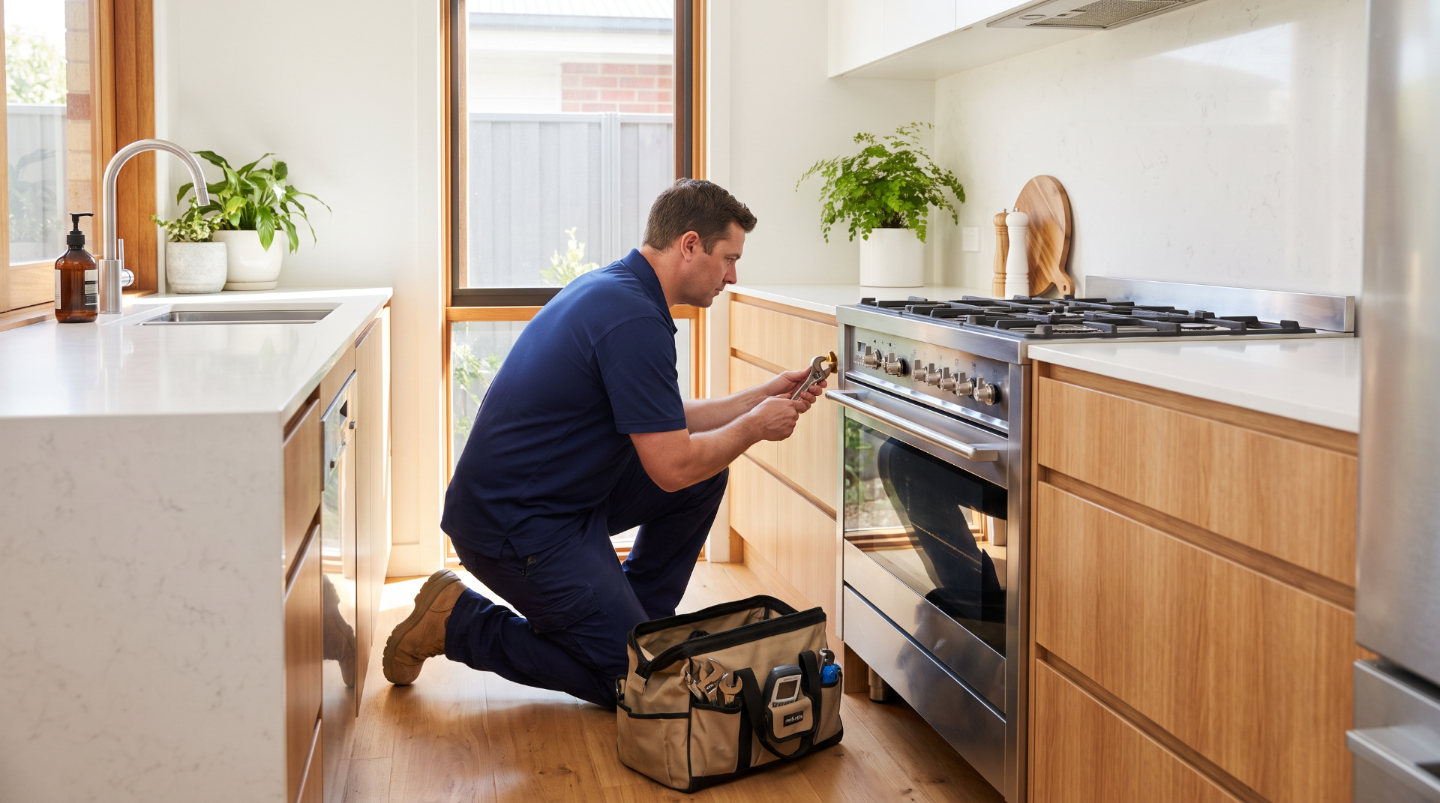
Once the immediate danger has been addressed and the area has been declared safe for further assessment, a licensed gas fitter can investigate the gas installation to identify faults and determine what repairs may be necessary.
Professional gas leak detection involves specialised equipment, appropriate testing procedures and an understanding of how gas systems operate.
Gas Pressure Testing: Checking the Integrity of Gas Lines
Pressure testing is one method used to assess whether gas pipework can maintain the required test pressure.
Depending on the installation and the work being performed, a licensed gas fitter may isolate sections of pipework and carry out testing in accordance with the applicable requirements.
An unexpected pressure loss can indicate a problem that requires further investigation.
However, pressure testing alone doesn't necessarily identify the exact location of a leak. Additional assessment may be needed.
Electronic Gas Leak Detection: Finding Problems You Can't See
Specialised electronic gas detectors can help identify the presence of combustible gas around accessible pipework, fittings and appliance connections.
These tools can assist licensed professionals in narrowing down potential leak locations without relying solely on smell.
The appropriate testing method depends on the gas installation, accessibility and suspected fault.
Inspecting Gas Appliances, Connections and Fittings
Sometimes, the problem isn't within the main gas line but at an appliance connection, valve or fitting.
A licensed gas fitter may inspect relevant components for signs of deterioration, damage or incorrect installation.
Once the source of a confirmed leak has been identified, the gas fitter can recommend the necessary repairs or replacement work.
Following repairs, appropriate testing is required before the affected installation is returned to service.
Natural Gas Leaks vs Carbon Monoxide: What's the Difference?
Natural gas leaks and carbon monoxide exposure are both serious safety concerns, but they're not the same problem.
Understanding the difference can help homeowners recognise why gas appliances need to be installed, operated and maintained correctly.
|
Natural Gas Leak |
Carbon Monoxide Exposure |
|
Involves natural gas escaping from a pipe, fitting or appliance |
Involves exposure to carbon monoxide, often produced by faulty or improperly operating fuel-burning appliances |
|
Natural gas is normally odourised to help detect leaks |
Carbon monoxide has no smell |
|
Can create fire, explosion and oxygen-displacement hazards |
Can cause serious poisoning by interfering with the body's ability to use oxygen |
|
Requires immediate gas emergency precautions |
Requires immediate fresh air and urgent medical attention |
A faulty gas heater, for example, may create a carbon monoxide hazard without leaking unburned natural gas.
This is particularly important in homes with gas heating appliances, where ventilation, appliance condition and correct installation all contribute to safe operation.
If you suspect carbon monoxide exposure, leave the building immediately and seek urgent medical assistance. Call 000 if anyone is unwell or in danger.
Can Regular Gas Safety Checks Help Prevent Future Problems?
While no inspection can guarantee that a gas leak will never occur, appropriate maintenance and professional assessment can help identify certain faults before they become more serious.
Gas appliances, connections and pipework can deteriorate over time due to wear, corrosion, environmental conditions or damage.
Changes to your property, such as kitchen renovations or appliance replacements, may also affect existing gas installations.
A licensed gas fitter can assess relevant parts of your system and advise whether maintenance, repairs or further testing are required.
When Should You Have Your Gas System Checked?
Consider arranging professional assessment when:
- You're replacing or installing a gas cooktop, oven or hot water system.
- A gas heater or other appliance is repeatedly malfunctioning.
- Existing gas pipes or fittings show visible signs of damage or corrosion.
- You're renovating an area containing gas pipework.
- A manufacturer recommends servicing or inspection of an appliance.
- Your gas installation has previously required repairs.
For gas heaters and other fuel-burning appliances, follow the manufacturer's servicing recommendations and applicable NSW safety guidance.
Importantly, routine maintenance is not a substitute for emergency action. If you suspect an active gas leak, leave the area and contact the appropriate emergency service first.
Frequently Asked Questions About Gas Leaks
Can a Small Gas Leak Be Dangerous?
Yes. Even a small gas leak can create a dangerous situation, particularly if escaping gas accumulates in an enclosed or poorly ventilated space.
The level of risk depends on several factors, including the gas concentration, ventilation and potential ignition sources.
Never assume a leak is harmless because the smell is faint or the problem appears minor.
Will Opening Windows Make a Gas Leak Safe?
No. Opening windows does not guarantee that a gas leak is safe.
If you suspect escaping gas, your priority should be leaving the affected area and avoiding anything that could create a spark.
Do not remain inside trying to ventilate the property or investigate the source.
Follow the instructions provided by your gas distributor or emergency responders.
Can a Gas Leak Make You Feel Sick?
High concentrations of natural gas can displace oxygen and cause symptoms such as dizziness, headaches or nausea.
However, similar symptoms can also occur with carbon monoxide poisoning, which is a separate and potentially life-threatening hazard associated with faulty fuel-burning appliances.
If you feel unwell and suspect a gas-related problem, move into fresh air immediately and seek urgent medical assistance.
Who Should I Call If I Suspect a Gas Leak in NSW?
If you suspect an active gas leak, leave the affected area and contact your gas distributor's emergency number from a safe location.
If there is immediate danger, a fire or someone is seriously unwell, call 000.
Once the immediate hazard has been addressed, an appropriately licensed gas fitter can assess the installation and arrange necessary repairs.
Can I Check for a Gas Leak Myself?
You should never attempt to locate a suspected gas leak by using a flame, dismantling fittings or interfering with gas pipes and connections.
DIY testing and repairs can create additional risks and may involve work that legally requires a licensed professional.
If you suspect a leak, leave the area and contact the appropriate emergency service.
How Much Does Gas Leak Detection Cost?
The cost of professional gas leak detection depends on the location of the suspected problem, the accessibility of the gas pipework and the testing required.
A straightforward assessment of accessible connections may involve less work than investigating concealed or underground gas lines.
If repairs are necessary, the cost will also depend on the materials, labour and extent of the damage.
Wilco Plumbing can discuss the required work and provide pricing information once the situation is safe to assess.
Worried About Your Gas System? Get Professional Help From Wilco Plumbing
Gas problems aren't something you should leave to chance. Whether you've experienced a previous leak, noticed recurring appliance issues or need repairs to your gas pipework, professional assessment can help you understand what's happening and what needs to be done.
Wilco Plumbing provides gas leak detection, gas fitting and gas pipe repairs across Sydney, the Central Coast, Newcastle, Wollongong, Hawkesbury and the Blue Mountains.
Our team can help identify gas fitting problems, explain the recommended repairs and carry out appropriate work to get your gas system operating safely.
Need a licensed gas fitter?
Book Online or Call Wilco Plumbing on 02 9188 3371.
If you suspect an active gas leak, leave the affected area and contact your gas distributor's emergency service first. Call 000 if there is immediate danger.