Last Update:
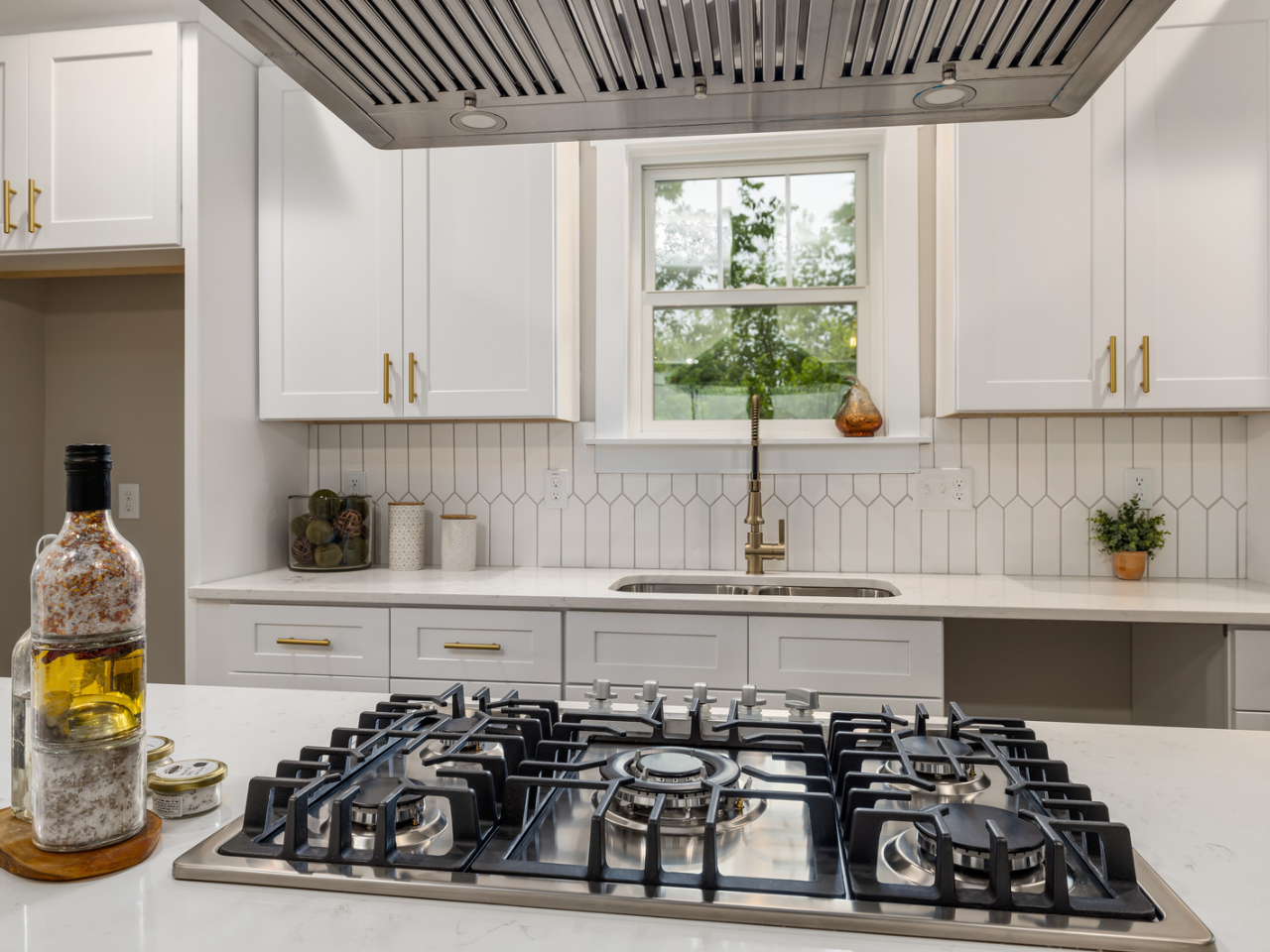
Thinking of installing or replacing a gas cooktop? Discover NSW's legal requirements, important safety considerations and why professional installation is essential for your home.
Replacing Your Gas Cooktop? Here's Why Getting the Installation Right Matters
Bought a new gas cooktop and wondering if you can install it yourself? It might seem like a simple job, especially if you're replacing an old cooktop with a similar model. But connecting a gas appliance isn't like plugging in a toaster.
In NSW, gas cooktop installation must be carried out by someone with the right gasfitting licence or authorisation. Even if your new cooktop fits perfectly into the existing kitchen benchtop, the gas connection still needs to be installed and tested by a qualified professional.
At Wilco Plumbing, we help homeowners across Sydney, the Central Coast, Newcastle, Wollongong, Hawkesbury and the Blue Mountains with gas fitting and appliance installations.
Here's what you need to know before replacing or installing a gas cooktop.
Can You Legally Install a Gas Cooktop Yourself in NSW?
No, you cannot legally carry out gas cooktop installation yourself in NSW unless you hold the appropriate gasfitting licence or authorisation.
Gasfitting is regulated work because incorrect installations can cause gas leaks, fires and other serious safety problems.
Under NSW licensing requirements, work involving gas connections, gas pipes and gas appliances must be completed by appropriately authorised professionals.
This includes connecting a new gas cooktop, disconnecting an existing gas appliance and modifying gas pipework.
Even if you're confident with DIY home improvements, gas connections are not something you should attempt yourself.
A licensed gas fitter has the training and equipment needed to complete the installation, check for leaks and make sure the gas connection meets relevant safety requirements.
What If You're Just Replacing an Existing Gas Cooktop?
Replacing an old cooktop with a new one might seem straightforward, especially when both appliances are the same size.
However, different gas cooktops can have different connection points, gas pressure requirements and installation clearances.
Your existing gas connection may also need adjustments to suit the replacement appliance.
For example, a new cooktop might require:
- A different gas connection fitting
- Changes to the existing gas pipework
- Additional clearance from nearby kitchen surfaces
- A check of the available gas supply
- Adjustments to the benchtop opening
Even a simple replacement requires the gas connection to be completed and tested by an appropriately licensed gas fitter.
Why Installing a Gas Cooktop Isn't as Simple as It Looks
A gas cooktop needs more than a suitable space in your kitchen. It also needs the correct gas supply, safe connections and enough clearance from surrounding materials.
Getting any of these wrong can create problems that aren't always obvious straight away.
Gas Leaks Can Happen When Connections Aren't Installed Correctly
One of the biggest risks of incorrect gas cooktop installation is a gas leak.
A poorly fitted connection, damaged pipe or unsuitable fitting can allow natural gas to escape.
Gas leaks can create a serious fire or explosion risk, particularly in enclosed spaces where gas may accumulate.
A licensed gas fitter uses appropriate testing procedures to check the installation before the appliance is put into use.
If you ever smell gas or suspect a leak, leave the affected area, avoid flames and electrical switches, and contact your gas distributor's emergency service from a safe location. Call 000 if there is immediate danger.
Your New Gas Cooktop Might Not Match Your Existing Gas Supply
Not every gas cooktop is designed to use the same type of gas.
Some appliances are designed for natural gas, while others are designed for LPG. Certain models can be converted, but only where the manufacturer allows it and the work is completed by an appropriately authorised professional.
Installing an appliance that isn't suitable for your gas supply can lead to unsafe operation.
Before installation, a gas fitter needs to check that the appliance is compatible with the property's gas supply and that any required adjustments are carried out correctly.
Kitchen Clearances and Ventilation Matter Too
Gas cooktops produce heat and combustion gases, so their location matters.
The space between the cooktop and nearby walls, cabinets, splashbacks and rangehoods must meet the applicable installation requirements.
Different appliances can have different clearance requirements, which is why the manufacturer's instructions are important.
A licensed gas fitter will assess the relevant requirements before connecting the appliance.
What Does a Licensed Gas Fitter Check Before Installing a Gas Cooktop?
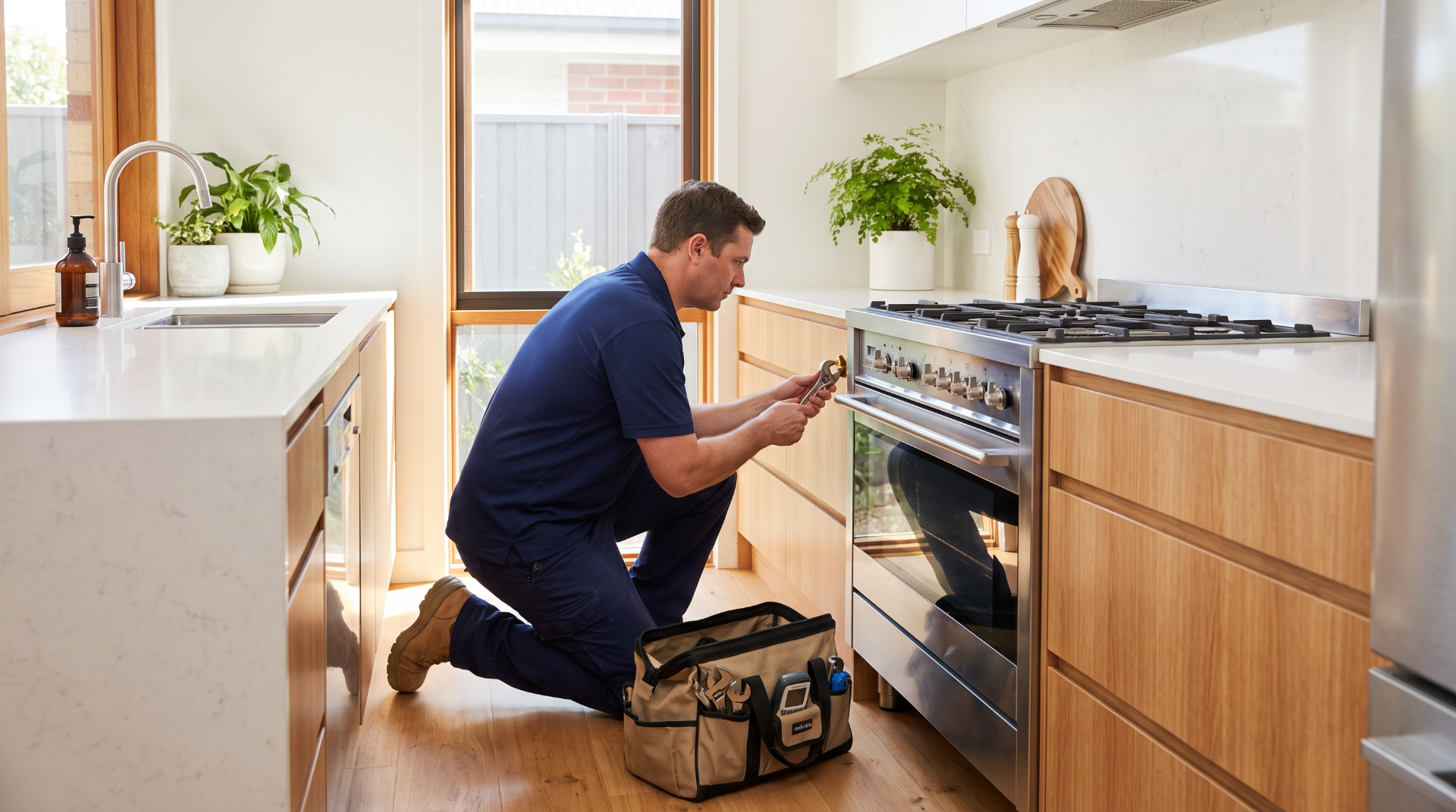
A professional installation involves several checks to make sure the appliance is suitable for your kitchen and can operate safely.
Here's what a licensed gas fitter will generally look at.
1. The Type of Gas Your Home Uses
The first step is checking whether your property uses natural gas or LPG.
Your new cooktop must be suitable for the available gas supply.
If an appliance requires conversion, the manufacturer must permit it, and the work must be carried out by an appropriately authorised professional.
2. The Condition of Your Existing Gas Connection
If you're replacing an older appliance, the gas fitter will assess the existing connection and relevant pipework.
They'll check whether the connection is suitable for the new cooktop and whether any changes are required.
Older or damaged fittings may need replacing before the new appliance can be connected.
3. The Size and Position of the Cooktop
Gas cooktops come in different sizes and layouts.
Some have four burners, while others have five or six. Certain models include a larger wok burner designed for high-heat cooking.
Whether you're installing a standard stainless steel gas cooktop or a glass cooktop, the appliance must fit the available space and meet the required clearances.
A larger cooktop with a wok burner may have different installation requirements from a smaller model.
The gas fitter will need to check the appliance specifications and the surrounding kitchen layout before installation.
4. Gas Pressure and Connection Safety
Once the cooktop is installed, the gas fitter must carry out the appropriate checks and testing.
This may include checking the gas pressure, testing relevant connections for leaks and confirming the appliance operates as intended.
These checks help identify installation problems before the cooktop is used.
Do You Need a New Gas Point for Your Cooktop?
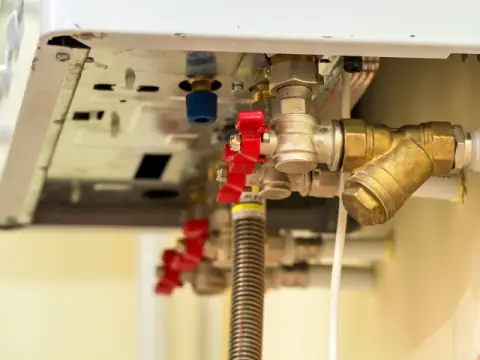
Not always. If your kitchen already has a suitable gas connection in the right location, you may be able to use it for the new cooktop.
However, if you're moving the cooktop to another part of the kitchen or switching from an electric cooktop to gas, additional gas pipework may be required.
A licensed gas fitter can assess whether your existing gas supply can support the new appliance and whether a new gas point is needed.
For kitchen renovations, it's best to arrange this assessment early. That way, any required gas pipework can be planned before cabinets, benchtops and other kitchen fittings are installed.
How Much Does Gas Cooktop Installation Cost in NSW?
The cost of installing a gas cooktop depends on your kitchen setup, the type of appliance and whether your existing gas connection needs changing.
Replacing an old gas cooktop with a similar model is usually more straightforward than installing a completely new gas connection.
However, even a simple replacement requires a licensed gas fitter to disconnect the old appliance, connect the new one and complete the necessary safety checks.
Several things can affect the final price:
- Existing gas connection: If your kitchen already has a suitable gas point, less work may be needed.
- New gas lines: Moving your cooktop or switching from electric to gas may require additional pipework.
- Cooktop size: A larger appliance may need changes to the benchtop or surrounding kitchen layout.
- Accessibility: Gas pipes behind cabinets, walls or other fixtures can be harder to reach.
- Additional work: Removing the old appliance, modifying fittings or arranging required electrical work can affect the total cost.
Before purchasing a new cooktop, it's worth checking whether your kitchen can accommodate the appliance without major changes.
Wilco Plumbing can assess your installation requirements and explain the work involved before you proceed.
How Long Does It Take to Install a Gas Cooktop?
If you're replacing an existing gas cooktop and the new appliance fits the available space, installation may take only a few hours.
However, this depends on the condition of the existing gas connection, appliance requirements and whether any changes are necessary.
A more involved installation may take longer, particularly if you're:
- Moving the cooktop to a different part of the kitchen
- Installing new gas pipes or a gas point
- Changing from an electric cooktop to gas
- Modifying cabinets or benchtops
- Replacing damaged or unsuitable gas fittings
The safest approach is to have the installation assessed before arranging other kitchen renovation work.
This helps avoid delays and ensures the necessary gas fitting work can be planned around your kitchen upgrade.
Do You Need a Gas Compliance Certificate After Installation?
Gas cooktop installations in NSW must meet applicable gasfitting laws, safety requirements and relevant Australian Standards.
Depending on the type of work completed, the licensed gas fitter may need to provide or lodge the required compliance documentation.
This documentation helps demonstrate that the relevant gasfitting work has been completed and checked in accordance with applicable requirements.
A professional installation should also include appropriate testing before the cooktop is used.
When booking your installation, ask what testing will be completed and what compliance documents apply to your particular job.
Choosing a New Gas Cooktop? Here's What to Check Before You Buy
Not all gas cooktops are the same, and choosing the right one involves more than deciding how many burners you want.
Before buying a new appliance, consider how it will fit your kitchen, what gas supply it requires and whether the installation will involve additional work.
Stainless Steel or Glass Cooktop: Does It Affect Installation?
Both stainless steel gas cooktops and glass cooktops are popular choices for modern kitchens.
A stainless steel gas cooktop is often chosen for its durability and traditional appearance, while a ceramic glass gas cooktop offers a smooth, modern finish.
The material alone doesn't determine how difficult installation will be.
What matters most is the appliance's dimensions, connection requirements, clearances and compatibility with your existing kitchen.
How Many Burners Do You Actually Need?
Gas cooktops are available with different burner layouts, including compact models and larger appliances with four, five or more burners.
If you regularly cook large meals, you might prefer a cooktop with a wok burner for high-heat cooking.
However, a larger burner gas cooktop may have different gas supply requirements from a smaller model.
Always check the appliance specifications before purchasing, particularly if you're replacing an existing cooktop.
Natural Gas or LPG: Make Sure You Choose the Right Appliance
Before buying a new gas cooktop, confirm whether your home uses natural gas or LPG.
A natural gas cooktop must be suitable for the property's gas supply.
Some models can be converted between gas types, but only where the manufacturer permits it and the work is completed by an appropriately authorised professional.
Choosing a compatible appliance from the beginning can help avoid unnecessary installation complications.
Gas Cooktop Installation FAQs
Can I Disconnect My Old Gas Cooktop Myself?
No. In NSW, disconnecting a gas cooktop from the gas supply is regulated gasfitting work and must be performed by someone with the appropriate licence or authorisation.
Even if the appliance is no longer working, disconnecting the gas connection incorrectly can create a serious safety risk.
Can I Replace a Gas Cooktop With a Different Brand?
Yes, provided the new appliance is suitable for your kitchen and gas supply.
Different brands and models can have different dimensions, gas connection positions and clearance requirements.
A licensed gas fitter can assess whether the new appliance is compatible with your existing installation.
Can I Replace an Electric Cooktop With a Gas Cooktop?
Potentially, yes. However, your property needs a suitable gas supply, and a new gas point may be required.
The kitchen must also meet the relevant installation and ventilation requirements.
A licensed gas fitter can assess the proposed installation and explain whether it's practical.
Do I Need an Electrician to Install a Gas Cooktop?
Some gas cooktops require an electrical connection for ignition or other features.
If the installation requires new wiring, a power point or changes to fixed electrical connections, a licensed electrician may be needed.
Your gas fitter can explain which parts of the installation require other licensed trades.
Can I Use My New Gas Cooktop Straight After Installation?
Generally, you can use your new cooktop once the licensed gas fitter has completed the installation, carried out the required testing and confirmed that the appliance is safe to operate.
You should also follow the manufacturer's instructions for using and maintaining the appliance.
Is It Worth Hiring a Licensed Gas Fitter for a Simple Replacement?
Yes. Even when the new cooktop fits perfectly into the existing benchtop, the gas connection still needs to be completed and tested correctly.
A licensed gas fitter can identify unsuitable fittings, connection problems or other issues that might not be obvious to a homeowner.
Professional installation helps ensure your new appliance is connected safely and meets the relevant requirements.
Ready to Install Your New Gas Cooktop? Let Wilco Plumbing Handle It
A new gas cooktop can make a big difference to your kitchen, but getting it installed correctly is just as important as choosing the right appliance.
Whether you're replacing an old cooktop, renovating your kitchen or installing a new gas connection, Wilco Plumbing can help you understand what's required and arrange professional gas fitting services.
Our team services Sydney, the Central Coast, Newcastle, Wollongong, Hawkesbury and the Blue Mountains, helping homeowners with gas appliance installations, new gas lines and related plumbing work.
Don't take chances with gas connections. Choose a licensed professional who can complete the installation and carry out the appropriate safety checks.
Need a licensed gas fitter for your new cooktop?
Book Online or Call Wilco Plumbing on 02 9188 3371.