Repair Damaged Drains Without Digging Everything Up
Recurring blockages, tree roots and damaged underground pipes can quickly turn into expensive plumbing issues. But replacing the entire pipe isn't always necessary. Wilco Plumbing provides pipe relining in Sydney to repair suitable damaged pipes from the inside, creating a strong new pipe within the existing one without the disruption of traditional excavation.
Using CCTV inspection and trenchless technology, we can identify the damaged section, determine whether relining is suitable and recommend the right repair for your property.
Need to know what's happening inside your drain? Call Wilco Plumbing on 02 9186 3371 or book online to arrange an inspection.
Stop Repairing the Same Blocked Drains Over and Over
If your drain keeps blocking after it's been cleared, there's often a reason.
Tree roots may be entering through cracked joints. Sections of an older sewer pipe may have deteriorated. Ground movement can cause cracks and misalignment, while ageing materials can leave old pipes increasingly vulnerable to damage.
Standard drain clearing can remove the immediate blockage, but it won't repair a damaged pipe. That can leave homeowners dealing with the same drain issues months or even weeks later.
Warning signs that your pipes and drains may need further investigation include:
- Blocked drains that repeatedly return
- Tree roots regularly appearing in the line
- Slow-draining sinks, showers or toilets
- Unpleasant sewage or drainage smells
- Cracks or damage previously identified in the pipe
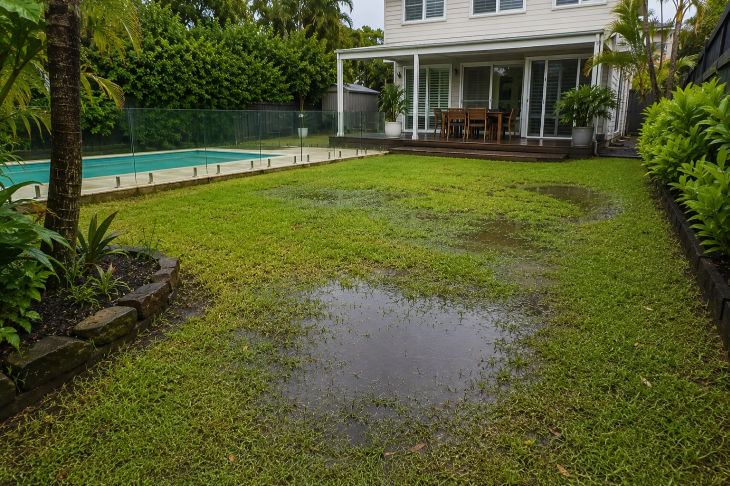
- Wet or unusually green patches around underground drainage
- Problems affecting sewer or stormwater pipes
- Gurgling or unusual noises coming from drains
Rather than guessing at the cause, we can inspect the pipe and see what's actually happening underground.
Start With a CCTV Drain Inspection, Not a Guess
Not every blocked drain needs drain relining, and we won't recommend relining until we know what condition the pipe is in.
A CCTV drain inspection allows our plumbers to send specialised camera equipment through the drainage system and inspect the inside of the pipe. We can locate damage, identify root intrusion, assess the condition of the existing pipe and determine whether the structure is suitable for relining.
This matters because different problems require different repairs. A pipe with cracks, damaged joints or root intrusion may be an excellent candidate for relining. A severely deformed or fully collapsed pipe may require excavation and replacement instead.
Once we've seen the problem, we can explain what we've found and recommend an appropriate repair.
Already dealing with recurring drain problems? Call 02 9186 3371 or book online to arrange a CCTV inspection.
What Is Drain Relining and How Does It Repair a Damaged Pipe?
Pipe relining is a form of trenchless pipe repair that allows suitable damaged pipes to be repaired from within instead of excavating and replacing the entire line.
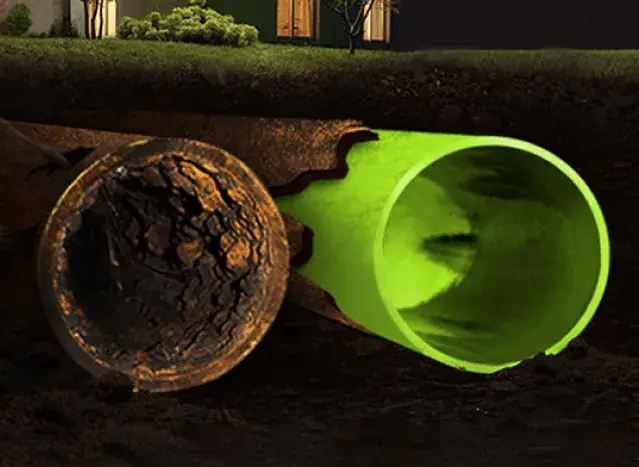
The basic principle is straightforward: a flexible pipe liner saturated with specially formulated resin is inserted into the existing pipe and positioned over the damaged section. The liner is then pressed against the internal wall of the host pipe and cured.
Once hardened, it creates a strong, seamless new pipe inside the old one.
Because the repair takes place internally, there is usually far less digging than with conventional pipe repairs. That can be particularly valuable when the damaged drain runs beneath a driveway, landscaping, tiled area or another part of the property that would otherwise need to be excavated and reinstated.
Relining can be used in many residential drainage applications, including suitable sewer lines and stormwater pipes. Whether it can be used ultimately depends on the condition, configuration and pipe size, which is why inspection comes first.
The Benefits of Pipe Relining for Sydney Properties
One of the biggest benefits of pipe relining is what you don't have to destroy to complete the repair.
Traditional replacement requires a plumber to access the damaged pipe from above. If that pipe is underneath a driveway, patio or landscaped area, reaching it may involve substantial excavation before the actual repair has even started.
Trenchless relining approaches the problem differently.
Less Digging and Excavation
Where the existing pipe is suitable, relining dramatically reduces the need for excavation because the damaged section can be repaired internally.
That means less disruption around the property and, importantly, fewer surfaces that need to be rebuilt after the plumbing work is finished.
Repair the Existing Pipe From Within
Rather than removing the whole damaged line, the liner creates a new internal pipe within the existing structure. This makes relining particularly useful for repairing difficult-to-access underground drainage.
A Seamless Internal Repair
The cured liner creates a smooth, continuous internal surface across the damaged section. With no joints along the relined section, there are fewer vulnerable points for roots to exploit compared with repeatedly treating an existing crack or failed joint.
Less Disruption to Your Property
One of the practical benefits of pipe relining is avoiding much of the mess associated with open-trench replacement. For homeowners, that can mean preserving established gardens, concrete, paving and other finished areas wherever trenchless repair is viable.
Avoid Paying to Rebuild What Had to Be Dug Up
With conventional replacement, the cost isn't necessarily limited to the plumbing. Excavated concrete, tiles, paving or landscaping may also need to be reinstated.
By reducing excavation, relining can avoid many of these secondary costs.
Our Step-by-Step Pipe Relining Process
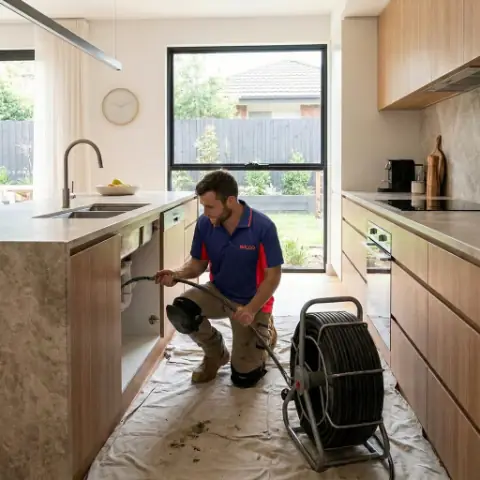
A quality pipe relining process starts well before the liner enters the drain. We first need to understand the damage, prepare the existing pipe correctly and ensure the finished repair is positioned where it's needed.
Here's the typical step-by-step pipe relining process used to take a damaged drain from diagnosis to repair.
1. CCTV Inspection of the Pipe and Drains
We inspect the line using CCTV equipment to locate the defect and assess the condition of the surrounding pipe. This helps determine whether relining is appropriate and exactly which section requires repair.
2. Drain Clearing and Pipe Preparation
The inside of the pipe needs to be properly prepared before the liner is installed. Depending on the condition of the drain, this may involve clearing debris, scale or tree roots so the internal surface is ready for relining.
3. Preparing the Pipe Liner
A liner is prepared to suit the required length and diameter of the repair and saturated with resin. Correct preparation is critical to achieving a consistent finished result.
4. Inversion and Liner Installation
Depending on the relining system and site requirements, inversion technology can be used to install and place pipe liner material into the existing drain. The liner is positioned against the internal walls of the damaged pipe before curing.
5. Curing the New Pipe
The resin is cured so the liner hardens into a durable structural layer inside the original pipe. This effectively creates a new pipe within the existing line without having to excavate the full damaged section.
6. Reinstating Connections
Where the relined section intersects with branch connections, specialised techniques such as robotic cutting may be used where appropriate to reopen those connections after curing.
7. Final CCTV Inspection
Once the relining work is complete, the repaired section can be inspected again to confirm the liner's position and the condition of the finished repair.
The result is a trenchless solution designed to address the damaged section itself, rather than simply clearing the symptoms it causes.
Think your drain could be a candidate for relining? Call Wilco Plumbing on 02 9186 3371 or book online to have your pipe assessed.
Can Your Damaged Pipe Be Relined?
Pipe relining is an effective solution for many damaged pipes and drains, but it isn't the right repair in every situation. The existing pipe needs to be in a condition that allows a liner to be correctly installed and cured.
Relining may be suitable for:
- Cracked or fractured pipes
- Tree root intrusion through joints and cracks
- Leaking or deteriorated pipe joints
- Ageing sewer pipes
- Localised sections of damaged drainage
- Suitable stormwater pipes
- Pipes running underneath driveways, paving or landscaped areas
- Hard-to-access pipes where traditional excavation would cause significant disruption
The condition of the host pipe matters. If a section has completely collapsed or become severely deformed, there may not be enough existing structure to support the liner correctly. In these cases, conventional excavation and replacement may be necessary.
That's why we inspect before recommending repairs. The goal isn't to sell relining to every customer; it's to determine which repair makes sense for the pipe that's actually underground.
Pipe Relining vs Excavation: Do You Really Need to Dig?
Traditional pipe replacement and trenchless pipe relining can both solve serious drainage problems, but they get there in very different ways.
|
Pipe Relining |
Traditional Pipe Replacement |
|
|
How it's repaired |
A new liner is installed inside the existing pipe |
The damaged pipe is excavated and replaced |
|
Digging required |
Usually minimal |
A trench is generally required |
|
Impact on surfaces |
Driveways, gardens and paving can often remain intact |
Surfaces above the pipe may need to be removed |
|
Reinstatement |
Usually limited |
Excavated areas generally need rebuilding |
|
Suitable damage |
Many cracks, failed joints and root-affected pipes |
Collapsed or unsuitable pipes |
|
Property disruption |
Generally lower |
Generally higher |
|
Assessment |
CCTV inspection required |
CCTV and site assessment may be required |
The biggest difference is often everything surrounding the pipe.
With traditional dig pipe repairs, getting to the damaged section may mean cutting concrete, removing paving, excavating soil or disturbing established landscaping. Once the new pipe is installed, those areas then have to be reinstated.
Relining removes much of that work when the pipe is suitable for a trenchless solution.
That doesn't mean relining should automatically be chosen over excavation. If CCTV footage shows that a pipe has collapsed or cannot support a liner, digging up and replacing that section may genuinely be the better option.
Not sure which repair you need? Call Wilco Plumbing on 02 9186 3371 or book online and we'll inspect the drain before recommending a solution.
How Much Does Pipe Relining Cost in Sydney?
There isn't one fixed price for every relining job because no two underground drainage systems are exactly the same.
Most blocked drain jobs in Sydney cost between $150 and $400, while more complex main sewer line blockages typically range from $300 to $800+, depending on the cause, equipment required and whether a CCTV drain inspection or hydro-jetting is needed.
The cost of pipe relining can depend on:
- The length of pipe requiring repair
- Pipe diameter and configuration
- The number of junctions within the relined section
- The location and accessibility of the drain
- The condition of the existing pipe
- The amount of cleaning and preparation required
- The type and extent of the damage
- The relining equipment and method required for the job
This is another reason an inspection is important. Rather than trying to estimate a repair based solely on symptoms, we can assess the actual drainage problem and provide pricing based on what your pipe needs.
Relining can also avoid costs that aren't always obvious when comparing it with traditional replacement. Excavating a drain beneath concrete, paving or landscaping doesn't just involve replacing the pipe; those surfaces may need to be demolished, removed and then rebuilt.
With trenchless relining, much of that additional work can potentially be avoided.
How Long Does Pipe Relining Last?
When professionally installed in a suitable host pipe, a quality relined pipe is designed to provide a long-term repair rather than a temporary patch.
The resin liner cures to form a new structural layer inside the existing pipe. Unlike repeatedly clearing tree roots or treating the symptoms of a cracked drain, relining addresses the damaged section itself.
The lifespan of a relined pipe ultimately depends on factors including the relining system, installation quality, original pipe condition and ongoing conditions within the drainage system.
For homeowners comparing their options, the important distinction is that professional relining is intended as a long-term structural repair.
Read more about the life expectancy of pipe relining in our information page: How long does pipe relining last?
Why Choose Wilco Plumbing for Drain Relining in Sydney?
The plumbing industry has changed significantly as CCTV equipment and trenchless technology have made it possible to diagnose and repair underground drainage with far less disruption than traditional methods.
But the technology is only one part of a successful repair.
At Wilco Plumbing, the process starts with finding out what's actually wrong with your drain. We use CCTV inspection to assess the damage before determining whether relining is appropriate for the pipe.
We Diagnose Before We Recommend Repairs
Recurring blocked drains don't automatically mean you need pipe relining. We inspect the drainage system first so our recommendation is based on the condition of the pipe rather than symptoms alone.
Trenchless Repairs Where They're Suitable
Where relining is appropriate, we can repair damaged underground pipes while avoiding much of the excavation associated with traditional replacement.
Fixed Upfront Pricing
You'll know what the recommended work will cost before it begins, helping you make an informed decision without unexpected additions at the end of the job.
100% Workmanship Guarantee
Our plumbing work is backed by a 100% workmanship guarantee, giving you added confidence in the work completed at your property.
Experienced Sydney Plumbers
Wilco Plumbing has extensive experience servicing homes and businesses across Sydney, with plumbers equipped to diagnose blocked drains, damaged sewer lines and other drainage problems.
Ready to find out what's happening underground? Call Wilco Plumbing on 02 9186 3371 or book online to arrange an inspection.
Pipe Relining in Sydney
Wilco Plumbing provides pipe relining and drainage services across Sydney. Our team can inspect your drainage system, identify the cause of recurring problems and determine whether trenchless relining or another repair is appropriate for your property.
Frequently Asked Questions About Pipe Relining
What is pipe relining?
Pipe relining is a trenchless repair method that creates a new pipe inside an existing damaged pipe. A resin-saturated liner is installed within the damaged section and cured until it forms a strong internal layer. It can repair many cracked, root-affected and deteriorated drains without excavating the entire pipe.
How do I know if my drain can be relined?
A CCTV drain inspection is the most reliable way to determine whether relining is suitable. The camera allows a plumber to assess the type and severity of the damage, the condition of the host pipe and whether there is enough existing structure for a liner to be successfully installed.
Can broken pipes be relined?
Some broken pipes can be relined, depending on the extent of the damage. Cracks, fractures and failed joints can often be suitable, while a pipe that has completely collapsed or become severely deformed may require excavation and replacement. CCTV inspection is needed to determine the appropriate repair.
Can pipe relining stop tree roots?
Relining can repair the cracks and failed joints through which tree roots have entered a drain. The existing roots are removed during pipe preparation before the liner is installed. Once cured, the liner creates a seamless internal section across the repaired area, removing those original entry points.
Can sewer pipes be relined?
Yes, many damaged sewer pipe sections can be relined where the host pipe remains structurally suitable. Relining is commonly considered for problems such as cracks, deteriorated joints and tree-root intrusion. A CCTV inspection is required to assess the sewer line before the repair is recommended.
Can stormwater pipes and downpipes be relined?
Certain stormwater pipes and sections connected to downpipes may be suitable for relining, depending on their size, configuration, material and condition. These factors need to be assessed before determining whether relining equipment can be correctly installed.
Is pipe relining better than replacing the pipe?
Neither option is automatically better. Relining can be significantly less disruptive when a damaged pipe is suitable because it reduces the need for digging and reinstatement. Replacement remains necessary when a pipe has collapsed or cannot support a liner. The right choice depends on what a CCTV inspection reveals.
Do you have to dig up my driveway to reline a pipe?
Usually, the purpose of trenchless pipe relining is to avoid excavating the entire damaged section. If a suitable access point is available and the pipe can be relined, this can prevent the need to cut through a driveway or other finished surface. Site conditions still need to be assessed first.
How long does the pipe relining process take?
The timeframe depends on the length and condition of the pipe, the preparation required, access and the relining system being used. Your plumber can provide a clearer timeframe once the drainage system has been inspected and the scope of work is known.
What is no-dig pipe relining and how does it work for Sydney homes?
No-dig pipe relining is a trenchless method of repairing damaged, cracked, or root-invaded pipes without excavating the ground, concrete, or structures above them. Instead of digging up a driveway, garden, or floor slab to access the pipe, a flexible liner coated with resin is inserted into the existing damaged pipe and cured in place, forming a new, seamless pipe inside the old one. The result is a structurally restored pipe that is smooth on the inside, resistant to future root intrusion and corrosion, and designed to last decades without the disruption and cost of traditional dig-and-replace methods. Wilco Plumbing offers no-dig pipe relining for residential, commercial, and industrial applications across Sydney, using the same technology to repair sewer pipes, stormwater lines, and drainage systems under driveways, slabs, gardens, and building structures. The process begins with a CCTV drain inspection to assess the pipe condition and select the right repair method, whether full relining, patch relining, or junction repair. All no-dig relining work is backed by the Wilco Lifetime Work Guarantee. Call 02 9186 3371 for a same-day assessment.
Get a Clear Answer Before You Dig
A damaged underground drain doesn't automatically mean your driveway, garden or paving needs to be excavated.
If you're experiencing recurring blockages, tree-root intrusion or other persistent drainage problems, the first step is finding out what is actually happening inside the pipe. Wilco Plumbing can inspect your drain with CCTV equipment, identify the damaged section and tell you whether pipe relining, another repair or replacement is the appropriate solution.
You'll get a clear recommendation and upfront pricing based on the condition of your drainage system, rather than guesswork.
Call Wilco Plumbing on 02 9186 3371 or book online to arrange your drain inspection and find out whether pipe relining is right for your property.
26 August 2026